The Founding of Bennett School

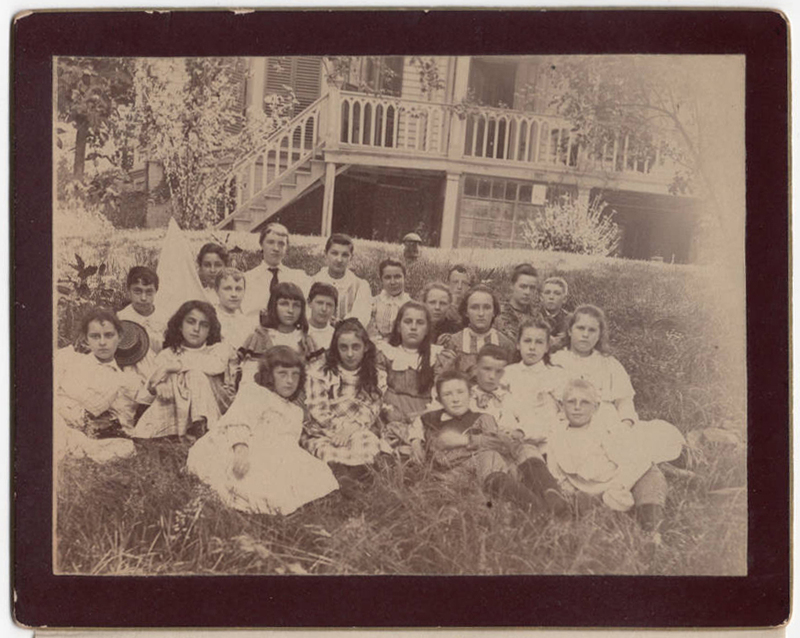
Irvington, Westchester, New York (1890-1908)
Bennett College was founded in 1890 in Irvington (Irvington-on-Hudson), Westchester County, New York, as an alternative school. The school reflected progressive educational values embraced by several wealthy Hudson River families. Its origins can be traced back to an 1889 conversation between two local sisters, Linda Dows Cooksey and Margaret Worcester Dows Dunham.
Linda and Margaret were born about six years apart to David and Margaret Esther Worcester Dows. Their father, David Dows, was a prominent financier who led the firm David Dows and Company and became one of the largest grain merchants of his era. Linda, born around 1854, married George Borwick Cooksey in 1880, and the couple had two children. Margaret, born around 1860, married physician Carroll Dunham, Jr. in 1884, and the couple had four children.
Both sisters made their homes in Irvington-on-Hudson, then known as an exclusive Hudson River Town favored by wealthy industrialists. Margaret and Dr. Carroll Dunham built their home Hillcrest (also known as Hillside) estate at 30 South Broadhead, Route 2. The Colonial Revival mansion featured thirty-four rooms, sixteen fireplaces, a grand staircase, bay windows, and mahogany paneling.
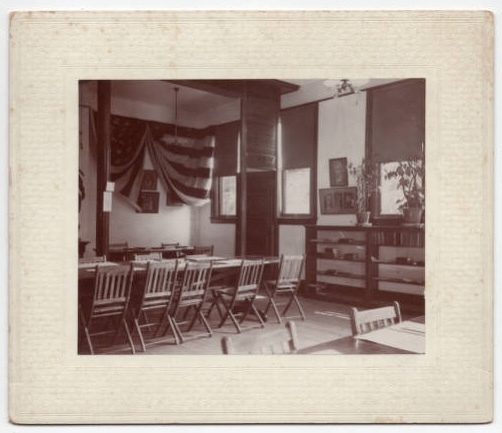
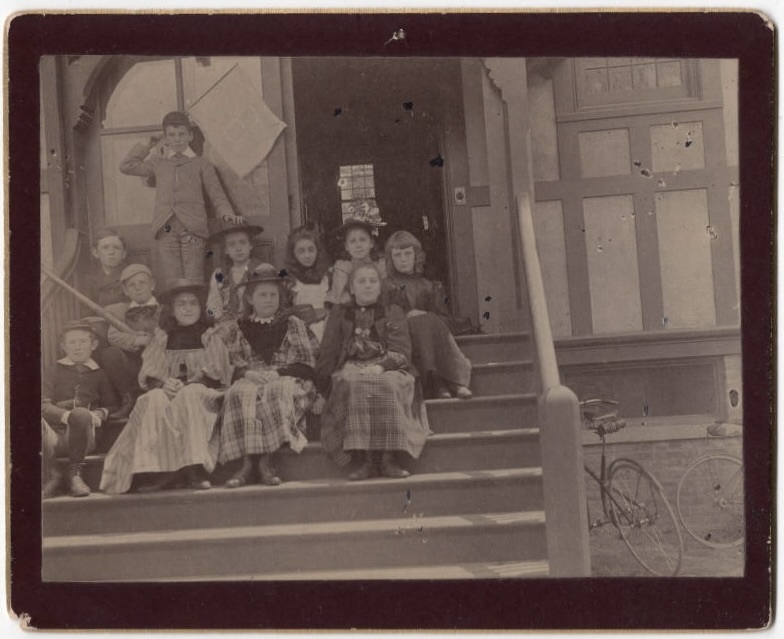
By 1889, the sisters, now raising several school-aged children, reached out to the Framingham Normal School’s Principal Ellen Hyde seeking help with “a school problem”. They were dissatisfied with the schools in their neighborhood, which they “found unprogressive and uninspiring,” and asked Hyde to recommend a teacher to help them start a new one. Framingham alumnae May Friend Bennett was the only young teacher suggested, and soon after meeting her, the sisters offered her the position. In September 1890, “Miss Bennett’s School”, a small day school for twelve boys and girls under the age of ten, opened in the front parlor of Mrs. Cookey’s home. See: May Friend Bennett.
In 1891, a frame schoolhouse was constructed on the Dunham’s Hillcrest property, officially opening as Miss Bennett’s School for Boys and Girls. According to one of Miss Bennett's brochures:
“The building is constructed especially for school purposes. The new adjustable seats and desks are in use, and changes are carefully made as growth requires. Heating, lighting, and ventilation are managed according to the opinion of experts.”
These arrangements differed significantly from the crowded conditions common in many schools in the 1890s, where students often shared benches instead of having individual desks. This new building marked the transition from home instruction to a purpose-built educational environment.
As enrollment increased, the "Little School" soon became too small, and a new school building called Breeze Lawn was constructed nearby. An octagonal structure "shaped like a bird cage," the new building was described as “a beautiful home, with pleasant grounds and gardens, commanding a fine view of the Hudson”. The original "Little School" building was subsequently repurposed as a reception hall.
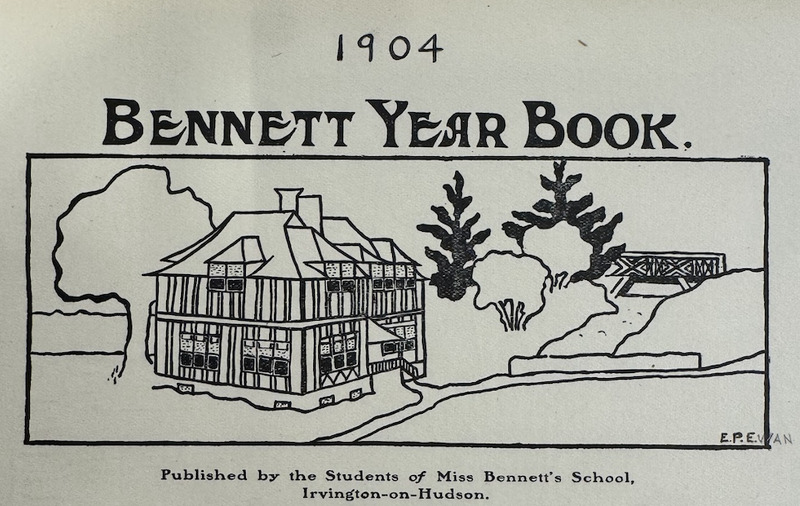
Miss Bennett's School, Yearbook, Irvington-on-Hudson, Westchester, NY, 1904. Bennett College Collection.
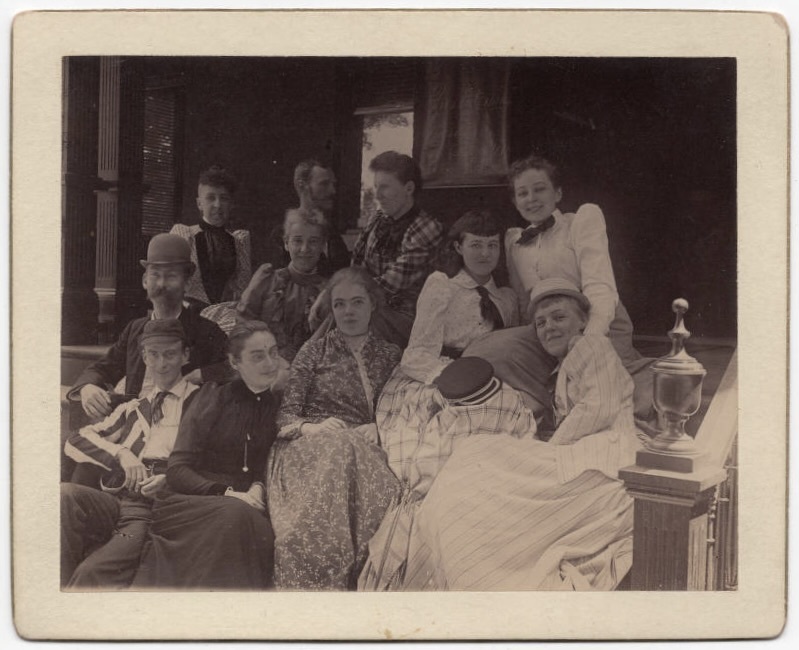
Irvington, Westchester County, New York, c. 1900. Bennett College Collection.
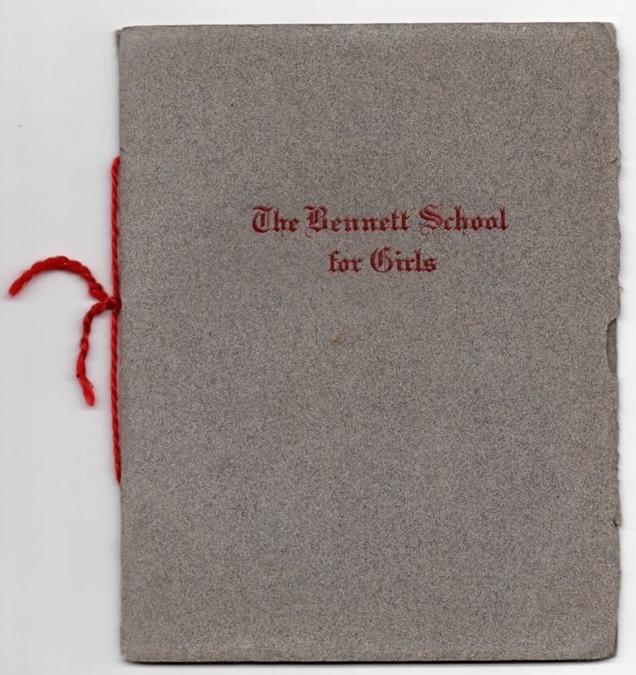
The Bennett School for Girls Brochure, Irvington, Westchester, New York, 1905. Bennett College Collection.
The curriculum reflected a progressive educational philosophy focused on the “harmonious development of the three-fold nature of the pupil”: intellectual growth, physical strength through self-activity, and the cultivation of character. Students were encouraged to develop accuracy, self-control, self-reliance, and an appreciation of learning, beauty, and moral virtue. In addition to academic subjects, students studied music, art, and literature, participated in physical education, and engaged in cultural and community activities.
As the school expanded, it moved into larger quarters on the Breeze Lawn estate, introduced tuition fees, and hired specialized instructors, including Miss Elinor Comstock for music and Miss Agnes O'Neil for “art of expression”. By 1893, the school had become a boarding school, enrolling nineteen boys and over thirty girls as day pupils and five additional boarders. In 1896, Miss Bennett made the formal decision to enroll girls only and expand the boarding school program to twelve, recruiting students from across the United States. In 1898, the school’s first diploma was awarded to Nancy Currier, and in 1904, students published the first yearbook, titled Bennett Year Book. This yearbook documented school life through poetry, essays, and creative works published by students of Miss Bennett's School.
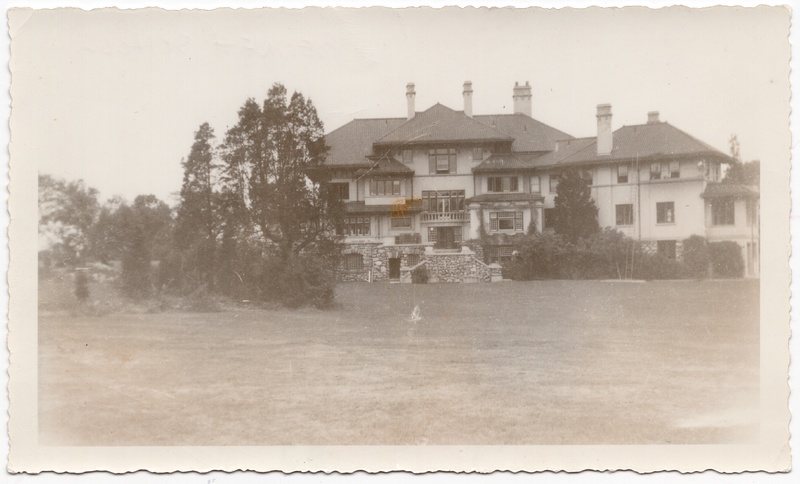
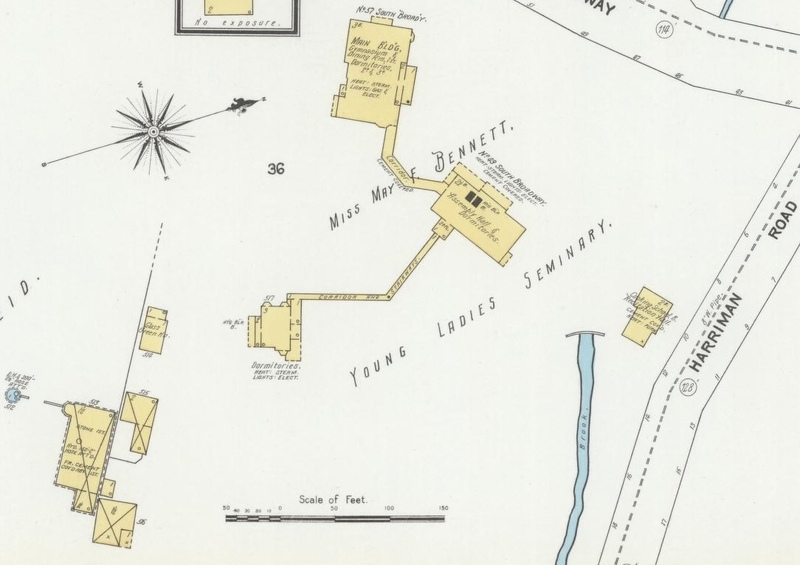
Enrollment continued to grow, and in 1905, the school relocated to Fairlawn on Broadway, marking the final Westchester location before the School’s move to Millbrook. Fairlawn, constructed in the spring of 1904 opposite the original schoolhouse on the Dunham’s property, included an assembly hall, music room, and bedrooms. The Fairlawn grounds were known for their rolling lawns, mature trees, and recreational facilities, including space for archery and tennis. A few years later, an adjoining property, Gladbrook, was annexed, and the campus expanded to include five houses with an enrollment of ninety pupils.
The first Alumni Field Day gathering was held in Irvington in 1906, establishing a tradition that would continue for decades. These early years in Irvington defined many of the institution’s hallmarks that would carry forward in the years ahead: small classes, individualized attention, a progressive curriculum, and strong community engagement.
Recognizing the need for further expansion and motivated to relocate the school to a rural location “where work could be carried on with greater freedom and less interruption, in surroundings of quiet and beauty,” Miss Bennett began searching for a new campus. Upon returning from Europe in the summer of 1906, Miss Bennett visited the abandoned luxury hotel Halcyon Hall in Millbrook, which would soon become the school’s permanent home.
View additional records and images of Miss Bennett's School in Irvington here.
References:
“Diamond Jubilee”, Bennett Alumnae Bulletin, September 1965. https://nyheritage.contentdm.oclc.org/digital/collection/p16694coll138/id/68/rec/1
Jessup, Margaret. (2003). Smith Special Collections: Dunham family papers. https://findingaids.smith.edu/repositories/2/resources/556.
Sanborn Map Company. Sanborn Fire Insurance Map from Irvington, Westchester County, New York. 1905, Vol. 5, Retrieved from the Library of Congress, https://www.loc.gov/resource/g3804im.g3804im_g060071905/?sp=5&st=image&r=-0.049,-0.139,1.212,0.765,0.
Wilcox, Marie Farnsworth, (1930). May Friend Bennett: A Memoir. Kessinger Publishing. https://discover.midhudsonlibraries.org/search/card?id=a8217319-09db-523d-9ad4-3a1566149665&entityType=FormatGroup